


Fall Gardening Guide: October

Location: Georgia | Planting Zone: 8a/8b

October is arguably the finest month to step into a Georgia garden. Crisp, clear mornings, low humidity, and warm afternoon sunshine make outdoor homestead work pure joy. The scorching humidity of summer is officially behind us, and while northern gardeners are packing away their tools and closing down beds, Zone 8 homesteaders are stepping into peak fall production.
October is defined by two major homestead milestones: planting our garlic for next summer's harvest and establishing cold-hardy winter greens that will feed us all the way through spring. With our average first frost arriving in mid-to-late November, October provides the perfect window to anchor root systems and prepare the homestead for winter resilience.
Fall Garden Execution: The October Transition
October is about balancing active fall harvests with long-term garden infrastructure. The soil retains summer warmth, encouraging rapid root growth even as air temperatures cool down.
Planting the Garlic & Allium Bed: October is the prime window in Zone 8 to plant hardneck and softneck garlic, shallots, and elephant garlic. Planting now allows cloves to build massive root systems before winter dormancy.
Direct-Sowing Cold-Hardy Greens: Get quick-maturing, frost-tolerant crops into the earth during the first half of the month—spinach, radishes, arugula, turnips, and mustard greens thrive in October's soil.
Tucking in Unused Beds: Any garden bed not dedicated to winter crops should be covered immediately with cover crops or a heavy 4-inch blanket of leaf mold or straw to protect topsoil from winter erosion.

October Garden Maintenance: The "Mulch & Protect" Strategy
As ambient temperatures dip, maintaining soil biology and protecting young roots from sudden thermal swings becomes our primary focus.
1. Deep Mulching for Soil Insulation
While summer mulching was designed to keep roots cool, October mulching serves as a thermal blanket to lock in soil warmth as night temperatures drop into the 40s.
Leaves & Straw: Utilize fallen autumn leaves! Run them over with a lawnmower to shred them, then spread 3–4 inches over your garlic beds, brassicas, and perennial flower borders.
Weed Suppression: Cool-weather weeds love October rain. Thick mulch smothers emerging winter weeds before they take over.
2. Irrigation Adjustment
Evaporation rates drop drastically in October. Overwatering in cool weather leads to root rot and fungal issues.
Dial It Back: Shift from summer’s heavy irrigation schedule to deep, infrequent soakings—usually once every 7 to 10 days, depending on rain.
Check the Soil First: Push your finger 2 inches into the earth; if it feels damp, hold off on watering.
3. Frost Readiness Preparation
While a hard freeze isn't typical until late November, erratic October cold snaps can occasionally bring light frost.
Frost Cloth Inventory: Unroll your frost cloths, check for tears, and ensure you have sandbags or landscape staples ready to secure covers over tender crops at a moment's notice.
Winterizing Water Lines: As we come to end of October, make sure to drain surface hoses, disconnect timers, and insulate outdoor spigots before hard freezes arrive.
Garden Tools and Supplies: The October Toolkit
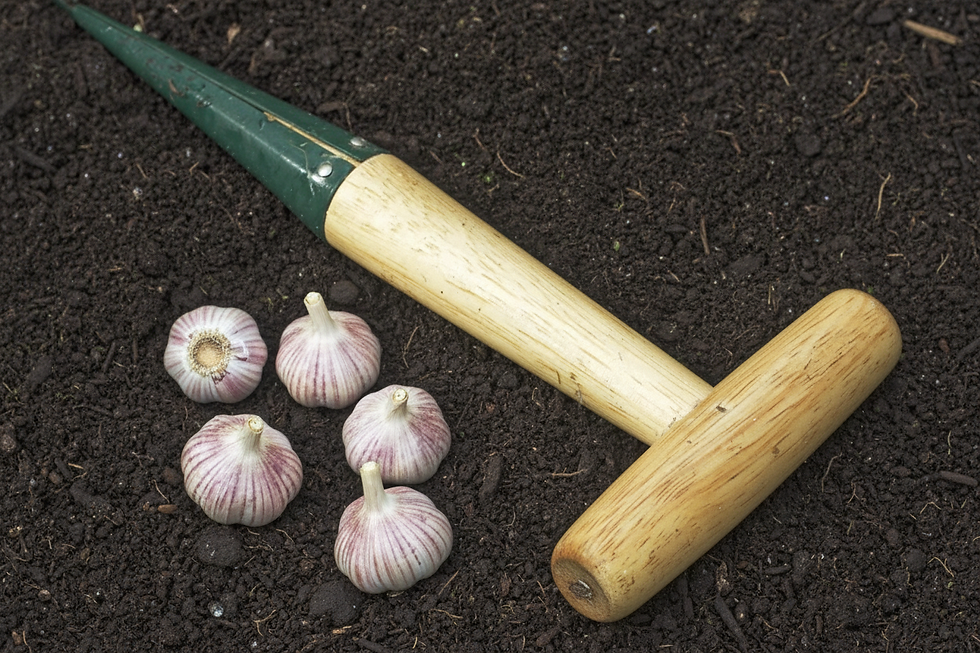
Dibber or Planting Trowel: Makes planting hundreds of garlic cloves at the precise 2-to-3-inch depth quick and effortless.
Leaf Shredder / Mulching Mower: Transforms free autumn oak and maple leaves into carbon-rich mulch for winter protection.
Frost Cloth (Heavy-Duty Row Cover): Provides 4°F–8°F of frost protection for young greens during unexpected early temperature dips.
Featured Tool: Hand Dibber Planting a year's supply of garlic means pressing dozens (or hundreds) of individual cloves into the ground. A marked wooden or brass hand dibber ensures consistent 2-inch planting depth and consistent spacing without straining your wrists or disturbing surrounding soil structure.

Seedlings and Pest Control During October
October in Zone 8 brings some of the most comfortable growing weather of the entire year, but it also demands a clear strategy for what goes directly into the ground versus what gets tucked in for a long winter’s nap. While the cooler autumn air drastically reduces heavy summer pest pressure, lingering bugs like harlequin insects and hungry slugs remain on the hunt for tender fall leaves. This month is all about striking the right balance—direct-sowing fast-maturing cool-season greens that thrive in crisp air while getting your hardneck and softneck garlic bulbs anchored into rich, mulched soil before winter sets in. Here is how to navigate your October seedings, bulb plantings, and pest management for a productive homestead:
Direct Sowing vs. Transplanting
Direct-Sow Outdoors (early October): Spinach, Radishes, Arugula, Turnips, Mustard Greens, Winter Lettuce, Cilantro.
Planting Cloves/Bulbs (all month): Softneck Garlic (e.g., Inchelium Red), Hardneck Garlic (e.g., Music), Shallots, Walking Onions.
Pro-Tip: Calculating the Persephone Period Don't plant grocery store garlic—it is often treated with growth inhibitors and may carry soil-borne diseases! Buy certified disease-free seed garlic. The Process: Separate garlic heads into individual cloves right before planting, keeping the papery skin intact. Plant each clove pointy-side up 2 inches deep in well-draining soil rich in compost. Cover with 3 inches of clean straw or shredded leaf mulch. Water deeply once, and let nature do the rest until spring shoot emergence!
October Pest Watch: The Cool Weather Wave
As temperatures dip and summer weeds fade, October shifts the pest dynamic on the Georgia homestead. While we bid farewell to hornworms and vine borers, cool-weather culprits take center stage. Harlequin bugs—striking black-and-orange pests—love to congregate on tender collard and kale leaves, while hungry slugs thrive in the damp, mulched conditions under autumn row covers. Inspect leaf undersides regularly during crisp morning walk-throughs to crush harlequin egg clusters before they hatch, and scatter organic iron phosphate bait or set shallow beer traps near tender lettuce rows to keep slug populations under control without chemical sprays.
Harlequin Bugs: These persistent pests love collard greens, kale, and turnip foliage. Hand-pick them into soapy water during crisp mornings and destroy their barrel-shaped egg clusters on leaf undersides.
Slugs & Snails: Cool, damp October mornings invite slugs out to chew jagged holes in tender young lettuce. Scatter organic iron phosphate slug bait or place shallow beer traps near bed edges to keep populations under control.

Fresh Harvest in October
October showcases a unique harvest, blending late-summer vegetables with fall greens. Early autumn's warm days allow the last summer crops to flourish, while cooler nights bring heartier fall vegetables.
During this transition, vibrant tomatoes, peppers, and eggplants add color and flavor, harvested alongside the first fall greens like kale, Swiss chard, and mustard greens, which thrive in cooler temperatures and enhance various recipes.
October also introduces root vegetables like carrots, beets, and radishes, adding crunch and earthiness to meals. Together with the summer harvest, they create a tapestry of flavors and textures.
Embracing October's bounty allows for culinary experimentation, blending summer's sweetness with fall's savory notes. This overlap enriches our plates and celebrates seasonal eating, savoring the fleeting moments of both summer and autumn.
Fall Greens & Roots: Collards, Kale, Arugula, Spinach, Radishes, Turnip Greens, Swiss Chard.
Final Summer Flushes: Hot Peppers, Sweet Peppers, Okra (slowing down), Green Tomatoes.
Homestead Perennials & Nuts: Muscadine Grapes, Persimmons, Pecans.

Preserving the October Bounty
Preserving in October is all about making the most of the final crossover harvest before the first hard frost hits Middle Georgia. As the last peppers, okra, and green tomatoes are cleared from the vines to make room for winter beds, the kitchen becomes a bustling preservation hub. October is prime time for whipping up traditional southern Green Tomato Chow-Chow and tangy relishes, processing late-season hot peppers into homemade hot sauces or dried pepper flakes, and curing winter squash like butternut and sweet potatoes in a warm, dry room for long-term pantry storage. Tucking away these sun-ripened, hand-crafted jars ensures that even during the coldest winter days, the rich, vibrant flavors of autumn on the homestead are never far from the dinner table.
Green Tomato Chow-Chow: Before the first frost hits, harvest all remaining green tomatoes and turn them into traditional southern green tomato chow-chow or relish using a water-bath canner.
Drying Hot Peppers: String hot cayenne and habanero peppers onto cotton thread using a needle to create decorative pepper ristras that hang and dry naturally in the kitchen.
Root Cellaring & Cold Storage: Harvest pumpkins and winter squash, cure them in a warm, dry spot for 10 days, and move them to a cool, dark pantry for long-term storage.
Looking Ahead: November
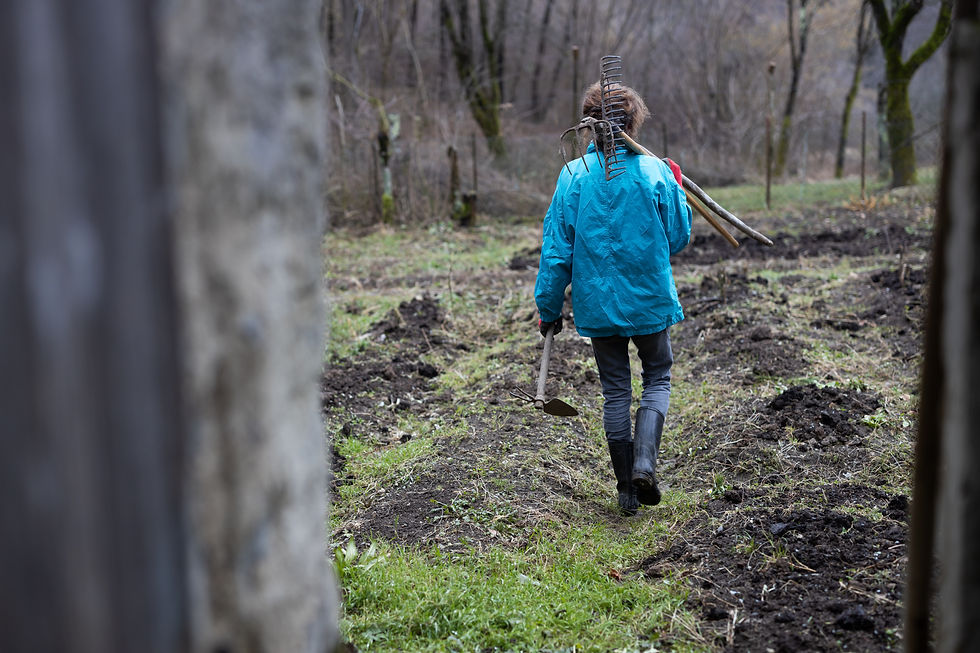
As October draws to a close, it is time to look ahead to November—the month when the Georgia homestead officially pivots from fall growth to winter protection. With our first hard frost historically arriving around mid-to-late November, your main focus will shift toward winterizing infrastructure, securing frost covers over tender greens, and draining irrigation lines to prevent freeze damage.
It also marks the start of the Persephone Period, when daylight drops below 10 hours a day and plant growth stalls; your garden will essentially become a living refrigerator holding mature crops fresh until harvest.
Use the final days of October to ensure row covers are staged, mulch is replenished around allium beds, and bare rows are tucked in under a winter cover crop.
The Last Word...
There is no better feeling on the homestead than knowing you are prepared to head into winter. So take time to enjoy the warm afternoons, fill your baskets with crisp fall greens, and soak in the peaceful beauty of an October garden!
Happy gardening!


Comments