


Fall Gardening Guide: September

Location: Georgia | Planting Zone: 8a/8b

While August was the launchpad for the fall garden, September is where the magic happens in Zone 8. The stifling summer heat finally begins to break, evening temperatures drop into the comfortable 60s, and the garden gets its second wind. While gardeners in northern climates are packing away their tools, Georgia homesteaders are stepping into one of the most pleasurable and productive planting windows of the entire year.
September is our primary window for direct-sowing tender leafy greens, root crops, and cool-season herbs. With our first hard frost still two to three months away in mid-to-late November, this month allows us to establish rapid growers that will feed our families well into winter.
Fall Garden Execution: The September Surge
September is all about taking advantage of warm soil and cooling air temperatures. Seeds germinate quickly in warm earth, and young plants thrive without the severe transpiration stress of July and August.
Clearing the Last Summer Residue: Remove remaining spent tomato vines, worn-out bean plants, and heat-scorched squash. Clear beds completely to prevent overwintering pests and fungal spores from taking hold.
Direct-Sowing Greens: The floodgates open for direct-sowing quick-turnaround crops like lettuce varieties, spinach, arugula, Swiss chard, and radishes.
Transplanting Late Brassicas: If you still have collard, kale, or broccoli starts, get them into the ground immediately during the first week of September so they reach full size before daylight hours shrink significantly.
September Garden Maintenance: The "Establish & Protect" Strategy
While the heat eases, September introduces its own unique homestead rhythm: nurturing young seedlings while staying ahead of autumn pests.
1. Consistent Moisture for Tiny Seeds
Even with milder air, topsoil can dry out quickly under early autumn sun.
Shallow Irrigation: Keep seedbeds for carrots, spinach, and lettuce consistently moist until true leaves appear. A light daily misting or dedicated drip cycle is better than infrequent heavy soaking for surface-sown seeds.
Light Mulching: Apply a fine layer of screened compost or light wheat straw over newly sown seed lines to lock in moisture without smothering delicate emerging sprouts.
2. Soil Replenishment for Fast Growers
Heavy summer feeders have pulled nutrients out of the earth; September crops need readily available nitrogen to build lush foliage.
Side-Dressing: Side-dress established brassicas and growing greens with really good compost that is full of biology.
Foliar Feeding: Spray young leafy greens with diluted fish emulsion, compost or kelp tea every 10–14 days to boost cellular strength and root development.
3. Pest Prevention Under Netting
As summer weeds die back, garden pests zero in on your tender fall greens.
Insect Barrier Covers: Drape lightweight insect netting (ultra-fine mesh) over your brassica beds immediately after planting. This creates a physical barrier that keeps egg-laying white butterflies and moths off your kale and collards.
Garden Tools and Supplies: The September Toolkit
Insect Netting & Hoop Frames: Floating row covers suspended on flexible hoops keep cabbage loopers, army worms, and flea beetles off young tender crops without trapping heat.
Soil Thermometer: Essential for timing cold-sensitive seed germination (such as spinach, which struggles to germinate if soil temps remain above 85°F).
Hand Seeder / Seed Sower Tool: Perfect for evenly spacing tiny seeds like carrots, lettuce, and turnips without wasting seed or crowding rows.
Featured Tool: Flexible Garden Hoops & Ultra-Fine Mesh Netting Planting under mesh netting in September is a total game-changer for Zone 8 gardeners. Instead of constantly spraying or hand-picking caterpillars, physical exclusion keeps brassica foliage 100% pest-free naturally. The netting also diffuses intense afternoon sunlight, providing a perfect microclimate for young seedlings.
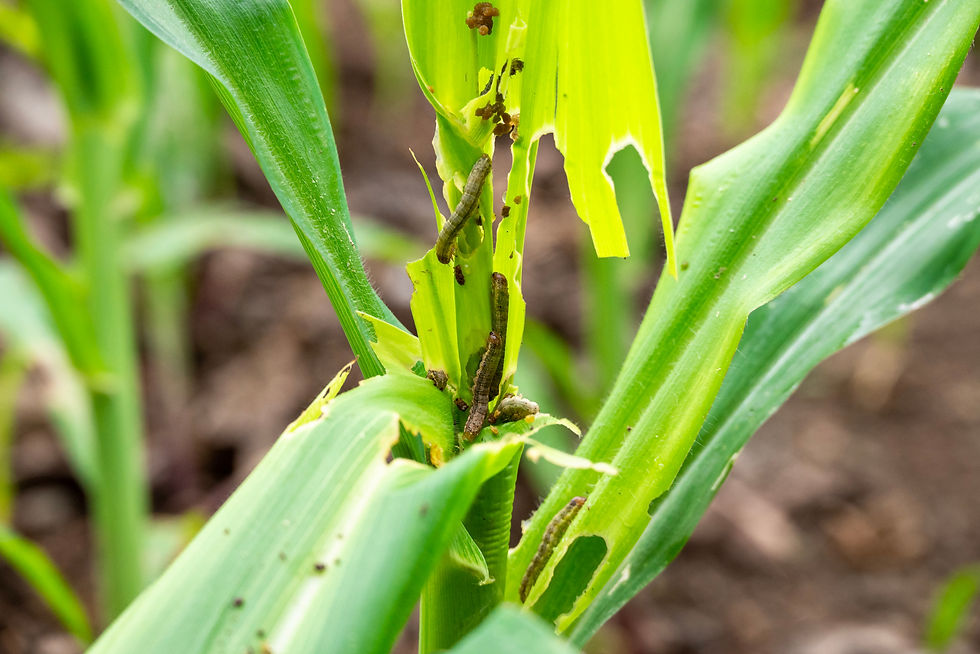
Seedlings and Pest Control During September
There is still a lot that can be planted in September, making it an essential month for gardeners and farmers alike. As summer transitions into autumn, the cooler temperatures and shorter days create a unique opportunity to cultivate a variety of crops that thrive in these conditions.
Cool-Season Vegetables
One of the primary categories of plants that can be sown in September is cool-season vegetables. These plants, such as kale, spinach, and lettuce, are well-suited for the cooler weather as they can tolerate frost and even improve in flavor after exposure to cold temperatures. Planting these leafy greens in September allows them to establish roots before the winter sets in, ensuring a bountiful harvest in the fall or early spring.
Root Vegetables
In addition to leafy greens, September is an excellent time to plant root vegetables. Carrots, beets, and radishes can all be sown during this month. These vegetables not only grow well in cooler soil but also benefit from the slower growth rates that the fall season brings, leading to sweeter and more flavorful produce. When planted in September, they have the chance to mature before the ground freezes, allowing for a late fall harvest.
Herbs and Perennials
Furthermore, September is a great month for planting certain herbs and perennial plants. Herbs like cilantro, parsley, and chives can be sown in the garden, providing fresh flavors for autumn dishes. Additionally, this is a suitable time to plant perennials such as garlic and various flower bulbs, which will bloom beautifully in the spring. Garlic, in particular, benefits from being planted in the fall, as it establishes roots over the winter months.
Preparing the Soil
To maximize the success of your September planting, it is crucial to prepare the soil properly. Ensuring that the soil is well-aerated and rich in nutrients will provide the best environment for your seeds or seedlings to thrive. Adding compost or organic matter can enhance soil fertility and improve drainage, which is vital for preventing rot as the weather becomes wetter.
Direct Sowing vs. Transplanting
Direct-Sow Outdoors: Spinach, Lettuce, Arugula, Turnips, Radishes, Beets, Carrots, Swiss Chard, Mustard Greens, Cilantro, Dill.
Transplant Out: Late-batch Broccoli, Cabbage, Collard Greens, and Kale.
Pro-Tip: Calculating the Persephone Period As we cross September 21st (the Autumnal Equinox), daylight hours drop rapidly. When daylight falls below 10 hours a day (the Persephone Period, beginning around November 20th in Georgia), plant growth virtually stops. The Goal: Your September crops don't necessarily need to be fully harvested before the Persephone Period—they just need to reach mature size by mid-November. Once mature, the cool winter garden acts as a living refrigerator, holding crops fresh in the ground for harvest as needed!
September is far from the end of the gardening season; instead, it opens up a new chapter filled with the potential for growth. By taking advantage of the cooler temperatures and planting a variety of cool-season vegetables, root crops, herbs, and perennials, gardeners can extend their growing season and enjoy fresh produce well into the autumn months. Embracing the opportunities that September offers can lead to a rewarding gardening experience.
September Pest Watch: The Autumn Defense
September in Zone 8 brings a welcome relief from mid-summer heat, but it also creates a delicate balancing act for the homestead. The warm soil offers ideal conditions for rapid germination, yet the milder temperatures tempt a fresh wave of autumn pests looking to feast on tender new growth. Navigating this transitional month successfully comes down to knowing which crops need a direct start in the ground versus a jumpstart indoors, while keeping a watchful eye on late-season invaders. Here is how to protect your young sprouts and manage pest pressure so your fall garden thrives into the cooler months ahead:
Cabbage Loopers & Flea Beetles: Flea beetles leave tiny "shot holes" in arugula and brassicas, while loopers devour whole leaf sections. Treat active infestations with organic Bacillus thuringiensis (Bt) or insecticidal soap, and cover beds with fine mesh netting.
Harlequin Bugs: These black-and-orange stinkbug relatives love collards and mustard greens. Hand-pick them into soapy water during cool mornings and inspect leaf undersides for egg clusters that look like tiny black-and-white striped barrels.

Fresh Harvest in September
September is the ultimate crossover month on the Georgia homestead, bringing a delicious collision of late-summer warmth and crisp autumn freshness to the kitchen counter. While heat-loving crops like peppers and okra give their final, generous flushes, the very first pickings of cool-weather greens and quick-turnaround roots are officially ready for the basket. Adding to the late-season magic, fall-sown sunflowers reach peak bloom, towering over the beds to provide a brilliant splash of gold and a welcome feast for native pollinators. From sun-ripened produce to tender early arugula and vibrant autumn blooms, this transition harvest offers the best of both worlds—filling our baskets with rich flavor, fresh crunch, and late-summer color:
Late Summer Crops: Okra, Peppers, Eggplant, Late-sown Squash, Bush Beans.
Early Fall Harvests: Radishes, Early Arugula, Baby Spinach, Basil, Green Onions.
Autumn Flowers: Fall-sown Sunflowers, Zinnias, Marigolds.
Perennial / Tree Fruits: Muscadine Grapes, Late Figs, Persimmons.

Preserving the August Bounty
When your Autumn harvest fills the kitchen counters, processing and preserving become a regular routine on the homestead.
Muscadine Jam & Jelly: September is peak muscadine season in Georgia. Process hulls and juice into traditional southern jellies using a water-bath canner.
Dehydrating & Freezing Peppers: Final flushes of sweet and hot peppers can be chopped and flash-frozen on baking sheets or dehydrated and ground into chili powders.
Fermenting Fall Sauerkraut: As early cabbage heads mature, shred and ferment them with sea salt to create probiotic-rich sauerkraut for winter storage.

Looking Ahead: October
As the vibrant energy of September winds down, October stands on the horizon as one of the most rewarding transition months on the Georgia homestead. The oppressive humidity gives way to crisp, clear mornings, creating the perfect environment to lay down roots for the future—quite literally. Rather than closing up the garden for winter, October invites us to secure next year’s bounty and protect the health of our soil. From tucking garlic into rich, cozy beds to shielding bare ground with nutrient-dense cover crops, here is how we set our Zone 8 garden up for long-term strength and autumn resilience:
Garlic & Shallot Planting: October is prime garlic planting season in Zone 8. Ensure your seed garlic has arrived and prepare dedicated beds with rich compost and deep mulch.
Cover Crops: Sow cover crops like Crimson Clover or Hairy Vetch on any unplanted beds to fix nitrogen and protect topsoil over winter.
The Last Word...
September reminds us why we love homesteading in Georgia. The relief of cooler air, the smell of damp earth, towering golden sunflowers, and the sight of fresh green rows emerging from the soil make all the hard work of summer worthwhile. Enjoy these crisp mornings, get those seeds in the ground, and celebrate the season of renewal!
Happy gardening!


Comments